
The Vodder Method of Manual Lymphatic Drainage: Why the Original is Still the Gold Standard After 90 Years
A Quick Question Before We Begin: Have you ever bought a “designer” handbag from a street vendor, only to have the strap snap the second you put your phone inside?
Or booked a “luxury” spa treatment that felt suspiciously like someone just rubbed lotion on you and called it a day?
Here’s the thing about knock-offs and imitations: they look like the real thing. They might even sound like the real thing. But when you need them to actually perform, when your results depend on it, they fail. Miserably.
The same is true for Manual Lymphatic Drainage.
You’ll see “lymphatic massage” offered at spas across Cape Town. You’ll find YouTube tutorials promising to show you “lymphatic drainage at home.” You might even have friends who swear by their “lymphatic” treatment at a local wellness centre.
But here’s what most people don’t know: There is the original Manual Lymphatic Drainage, the Vodder Method, and then there’s everything else.
And when you’re recovering from cosmetic surgery, when your results are literally on the line, “everything else” isn’t good enough. Let me explain why.
Part 1: The Origin Story – How a Danish Biologist Changed Post-Op Recovery Forever
Picture this: It’s 1932.
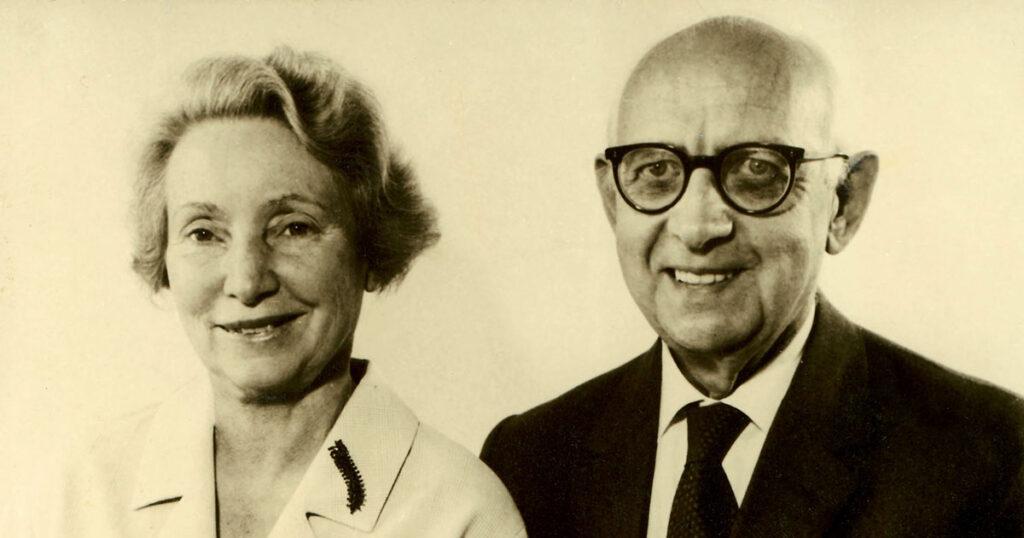
The Great Depression is reshaping the world. The first Olympic Village is built for the Los Angeles Games. And in a small clinic in Paris, a Danish biologist named Dr. Emil Vodder is about to make a discovery that will transform post-surgical recovery for millions of women.
Dr. Vodder wasn’t a massage therapist looking for a new technique to add to his menu.
He was a scientist.
He and his wife, Estrid, were treating patients with chronic infections when they noticed something fascinating. Patients with swollen lymph nodes often had colds, sinus issues, and stubborn illnesses that wouldn’t resolve. The swelling wasn’t the problem—it was a symptom of a sluggish lymphatic system.
So they asked a question no one had asked before:
What if we could manually stimulate the lymphatic system to work better?
What followed was years of meticulous research, anatomical study, and hands-on experimentation. The Vodders mapped the lymphatic system in ways it had never been mapped before. They developed a precise, gentle, rhythmic technique that worked with the body’s natural anatomy rather than against it.
The result? The Vodder Method of Manual Lymphatic Drainage.
Nearly 100 years later, it remains the most researched, most respected, and most effective form of lymphatic treatment in the world. And here’s what every woman recovering from cosmetic surgery in Cape Town needs to understand: the Vodder Method isn’t just “a” way to do lymphatic drainage. It’s THE way.
Part 2: Why “Gentle” Doesn’t Mean “Weak” – The Science of the 40mmHg Rule
Let me tell you something that might surprise you.
Most women who come to us after surgery expect deep, firm pressure. They think: “I’m swollen. I’m in pain. I need someone to really work on me.”
And we completely understand that instinct. When you have a knot in your shoulder, you want someone to dig into it. When your muscles are sore, you want a deep tissue massage.
But your lymphatic system isn’t your muscles.
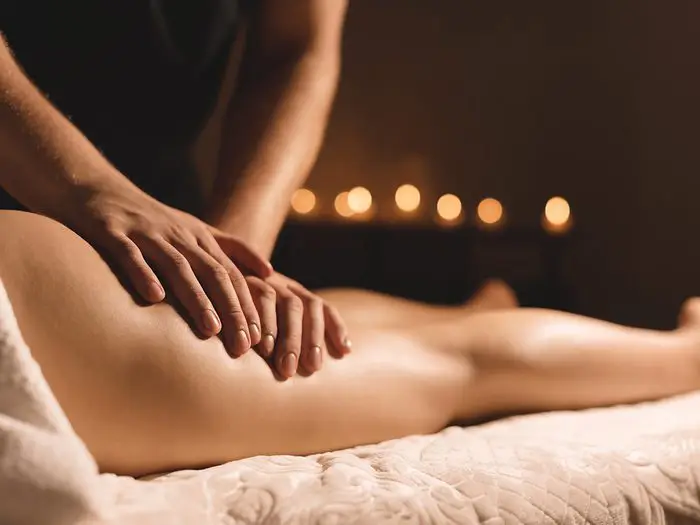
Here’s the anatomical truth: your lymph vessels are incredibly delicate. They sit just beneath your skin, millimetres from the surface. And unlike your blood vessels, which have a powerful heart pumping blood through them, your lymph vessels have no central pump at all.
They rely on something much more subtle, the gentle contraction of tiny units called lymphangions.
Think of lymphangions as a series of tiny, one-way pumps along each lymph vessel. When they’re stimulated correctly, they contract in a wave-like rhythm, pushing lymphatic fluid forward toward your lymph nodes.
But here’s the catch, too much pressure collapses them.
Imagine a garden hose. When water is flowing through it, the hose is firm but flexible. Now imagine stepping on that hose with your full weight. What happens? The hose flattens. The water stops flowing.
The same thing happens to your lymph vessels under heavy pressure.
The Vodder Method uses pressure of less than 40 millimetres of mercury (mmHg) . That’s about the weight of a butterfly landing on your skin. A baby’s touch. The gentlest stroke you can imagine.
At this pressure, something magical happens. Instead of collapsing, the lymph vessel gently stretches. This stretching triggers the lymphangions to contract, creating that wave-like pumping action. Fluid moves. Swelling decreases. Healing accelerates.
So no, our therapist’s touch isn’t “too light.” It’s precisely as light as it needs to be to get the job done. Any heavier, and it would be working against your body instead of with it.
Part 3: The Sequence That Changes Everything – Why Order Matters
Here’s where most “lymphatic massages” fail.
Many spas and therapists treat lymphatic drainage as if it’s just… gentle stroking. They rub the swollen area in random directions, using light pressure, and call it a day.
But the Vodder Method is nothing like that.
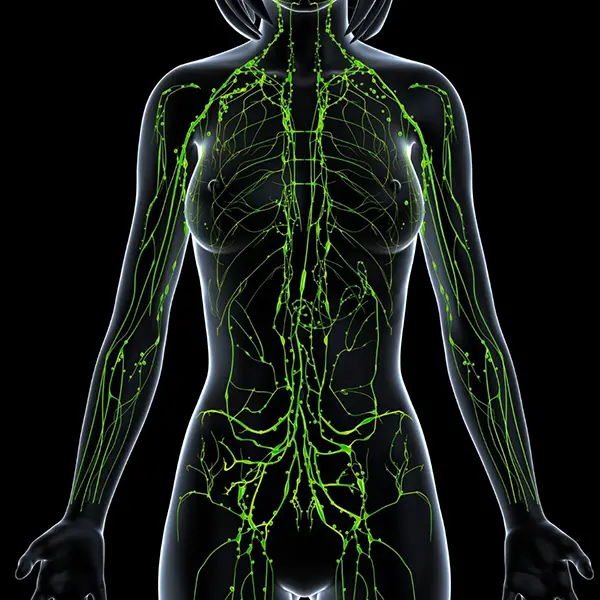
It follows a precise, anatomical sequence that Dr. Vodder discovered through years of research. And that sequence is counterintuitive.
Most people would assume you start at the swollen area and work outward. Makes sense, right? You have fluid pooling in your abdomen after a tummy tuck, so you massage the abdomen to move it out.
Wrong.
The Vodder Method starts nowhere near the surgical site. Here’s a brief overview of the sequence:
Step 1: Clear the drainage highways first.
Before we can move fluid out of a congested area, we need to make sure the “exit routes” are open. Think of it like clearing a blocked highway, you don’t start by adding more cars to the jam. You start by clearing the accident ahead so traffic can flow again.
In the body, that means starting at the neck, specifically, the supraclavicular lymph nodes. These are the major drainage points where lymphatic fluid re-enters your bloodstream. If these are congested, nothing downstream can drain properly.
Step 2: Activate the axillary (armpit) nodes.
Next, we move to your armpits. These nodes drain your arms, chest, breasts, and upper back. If you’ve had breast surgery, a breast lift, or an upper body procedure, this step is critical.
Step 3: Open the inguinal (groin) nodes.
Then we move to your groin. These nodes drain your abdomen, pelvis, buttocks, and legs. If you’ve had a tummy tuck, liposuction, or BBL, this step is non-negotiable.
Step 4: Only THEN do we work on your surgical site.
Once the “highways” are clear, we can finally address the congested area. The fluid that was trapped now has a clear path out. It flows toward the open nodes, is filtered, and eventually re-enters your bloodstream to be eliminated by your kidneys. This sequence is what makes the Vodder Method so effective. It’s not random. It’s not intuitive. It’s anatomical. And it’s the result of nearly a century of refinement.
Part 4: What the Vodder Method Feels Like (Spoiler: It’s Not What You Expect)
Let me paint you a picture.
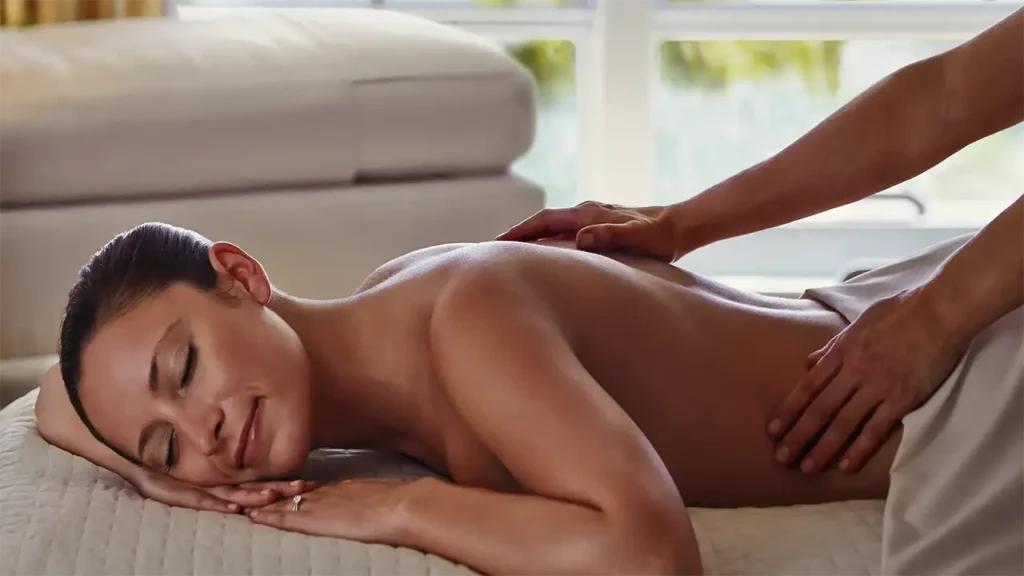
You’re lying on the massage table, in your hotel room overlooking the ocean, or in your own bedroom with the afternoon light streaming through the curtains. You’re sore from surgery. You’re swollen. You’re tired.
The therapist’s hands make contact with your skin.
And the first thing you notice is how gentle it is. Almost imperceptible. Like someone tracing the lightest circles on your body with their fingertips.
You might think: “Is this… it? Is this going to do anything?”
Then, slowly, you feel something shift.
It’s not a dramatic sensation. There’s no “release,” no satisfying crack, no deep pressure that makes you wince and then sigh with relief. Instead, it’s subtle. A sense of warmth. A feeling of lightness spreading through your body.
Some women describe it as “the opposite of swelling”, like their tissues are deflating, softening, becoming less tight.
Others fall asleep.
That’s not an insult to the manual lymphatic drainage technique. It’s a testament to the power of the Vodder Method. The gentle, rhythmic, repetitive nature of the movements directly stimulates your parasympathetic nervous system, your “rest and digest” mode. Your heart rate slows. Your cortisol drops. Your body shifts from “fight or flight” into deep healing.
Some women cry. (This is normal, by the way. Your body holds emotion, and sometimes release looks like tears.)
Some women feel a wave of exhaustion afterward. (Also normal. Your body is finally able to process waste that’s been sitting there for days or weeks.)
Some women feel nothing at all during the session, and then wake up the next morning to find their swelling visibly reduced, their incisions looking calmer, their bodies feeling more like them again. Every woman is different. But the result is always the same…healing, accelerated.
Part 5: The Research That Backs It Up (Because You Deserve Evidence)
I’m not asking you to trust me on faith.
The Vodder Method is the most researched form of Manual Lymphatic Drainage in existence. Here’s what the science says:
For post-surgical recovery: Multiple studies have shown that MLD significantly reduces post-operative swelling, pain, and the risk of seroma formation compared to standard care alone.
For fibrosis prevention: Research indicates that early and consistent MLD helps prevent the chaotic collagen clumping that leads to hard, painful scar tissue.
For capsular contracture: While no intervention can guarantee prevention, studies suggest that reduced inflammation, achieved through MLD is associated with lower rates of capsular contracture in breast augmentation patients.
For patient satisfaction: Perhaps most importantly, women who receive consistent MLD after cosmetic surgery report higher satisfaction with their results, faster return to normal activities, and less emotional distress during recovery. The Vodder Method isn’t a trend. It’s not a “wellness fad” that will disappear in a year. It’s a medical protocol that has been saving surgeries, protecting results, and helping women heal beautifully for nearly 100 years.
Part 6: The Imitation Problem – Why “Lymphatic Massage” Isn’t the Same Thing
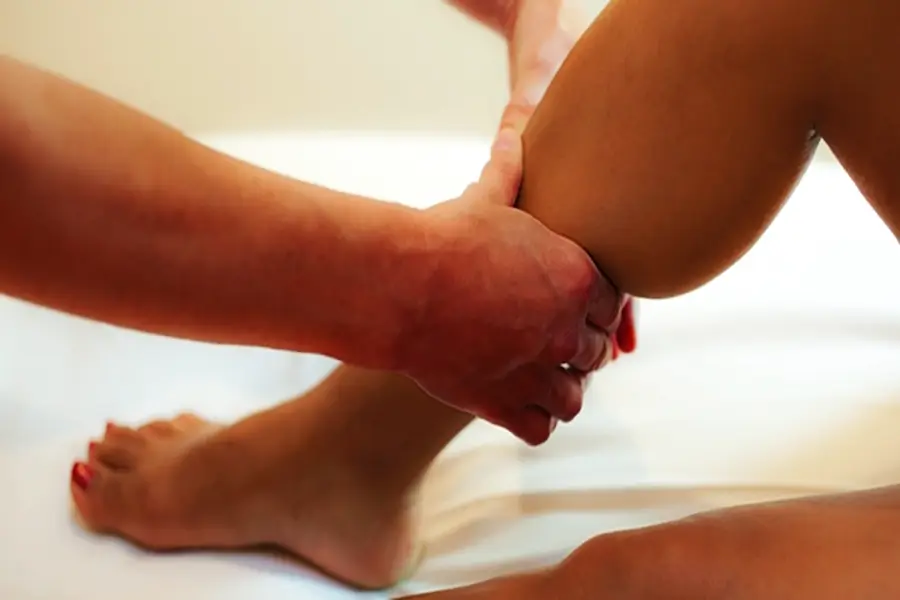
I need to be direct with you.
Not all “lymphatic drainage” is created equal.
In fact, most of it isn’t lymphatic drainage at all.
Here’s what’s happening: as cosmetic surgery has become more popular, demand for post-op lymphatic work has exploded. And where there’s demand, there’s supply, regardless of quality.
Spas across Cape Town now offer “lymphatic drainage massage.” Some wellness centres have added it to their menus. You’ll even find online courses claiming to teach you “professional lymphatic drainage” in a weekend.
But here’s the truth:
True Manual Lymphatic Drainage, performed in the Vodder Method, requires:
- Hundreds of hours of specialized training
- Deep anatomical knowledge of the lymphatic system
- Mastery of the precise Vodder sequence
- The ability to feel and adjust pressure within the 40mmHg range
- Years of hands-on experience
You cannot learn this in a weekend course. You cannot replicate it by watching a YouTube video. And you certainly cannot get it from a spa therapist who “added” lymphatic drainage to their service menu last month.
I’m not saying this to be elitist. I’m saying it because your results depend on it.
When you’ve invested tens of thousands of rands in your transformation, when you’ve chosen a surgeon, travelled to Cape Town, and put your body through the trauma of surgery< you deserve the real thing. You deserve the Vodder Method.
Part 7: A Note to the Modern Woman in Cape Town
Maybe you’re reading this from your home in Constantia, planning your upcoming mommy makeover.
Maybe you’re in a hotel room in Camps Bay, recovering from surgery you had three days ago, scrolling on your phone while you rest.
Maybe you’re still in the research phase, comparing surgeons, reading reviews, and trying to figure out what you need to know before you commit.
Wherever you are in your journey, here’s what I want you to take away from this:
Your results aren’t just about your surgeon’s skill. They’re about what happens after.
Surgery is the first chapter of your transformation. Recovery is the second. And how you recover, the choices you make, the care you invest in, the experts you surround yourself with, will determine whether your results are good or breathtaking.
The Vodder Method isn’t just a technique. It’s a commitment to doing things right. It’s a refusal to cut corners, to take shortcuts, to settle for “good enough” when “exceptional” is within reach.
It’s the original. The gold standard. The method that has been trusted by millions of women and thousands of surgeons worldwide. And it’s available right here, in Cape Town, from someone who has dedicated his practice to mastering it.
Your Invitation
If you’re scheduled for surgery, or considering it, don’t wait until you’re already swollen and uncomfortable to think about your recovery.
Let’s talk now. Our team at Manual Lymph Drainage Cape Town are ready to help you.
Let’s create a pre-op and post-op protocol tailored to your specific procedure, your body, and your goals.
Let’s make sure you have the support you need, the moment you need it.
Because you deserve to heal beautifully.
And beautiful healing starts with the Vodder Method.📍 Cape Town | Outcall service to your home or hotel
🔗 Book your consultation at lymphdrainage.co.za
Frequently Asked Questions About the Vodder Method
Q: How many Manual Lymphatic Drainage sessions will I need?
A: It depends on your procedure and your body’s response. Most women benefit from 6-12 sessions, with frequency tapering from 2-3 times per week to weekly as healing progresses.
Q: When can I start Manual Lymphatic Drainage massages after surgery?
A: Always get clearance from your surgeon first. Most patients begin within 24-72 hours after surgery, once they’re cleared.
Q: Will Manual Lymphatic Drainage hurt?
A: No. The Vodder Method is gentle by design. You may feel tenderness near incisions, but the massage itself should not be painful.
Q: Do you come to me?
A: Yes. I offer outcall service to hotels, Airbnbs, and homes across Cape Town. You heal where you’re comfortable.
Q: How is the Vodder Method different from regular massage?
A: Pressure, sequence, and intent. Regular massage uses deep pressure on muscles. The Vodder Method uses ultra-light pressure on the lymphatic system, in a precise anatomical sequence, with the specific goal of moving fluid and reducing swelling.
About the Author
The Massage Guy – Cape Town is a Manual Lymphatic Drainage specialist in Cape Town, trained in the original Vodder Method. He works exclusively with women before and after cosmetic surgery, offering outcall services to hotels and homes across the city.
Read more about the full range of massage services offered by The Massage Guy – Cape Town at https://themassageguy.capetown/